
February 2026 Moon Phases
What does the moon phase have to do with gardening? Just like long summer days or cold, short winter conditions impact growth rates, the moon’s light and proximity play into a plant’s growth cycle.
Synchronizing your gardening with a lunar cycle can help you get the most out of your planting efforts. Many charts go into great detail on this, but as a lazy-ish gardener, I try to keep high-level, basic rules of thumb in mind when planting, sowing, pruning or staying out of it. Below is a simple breakdown you might find helpful.
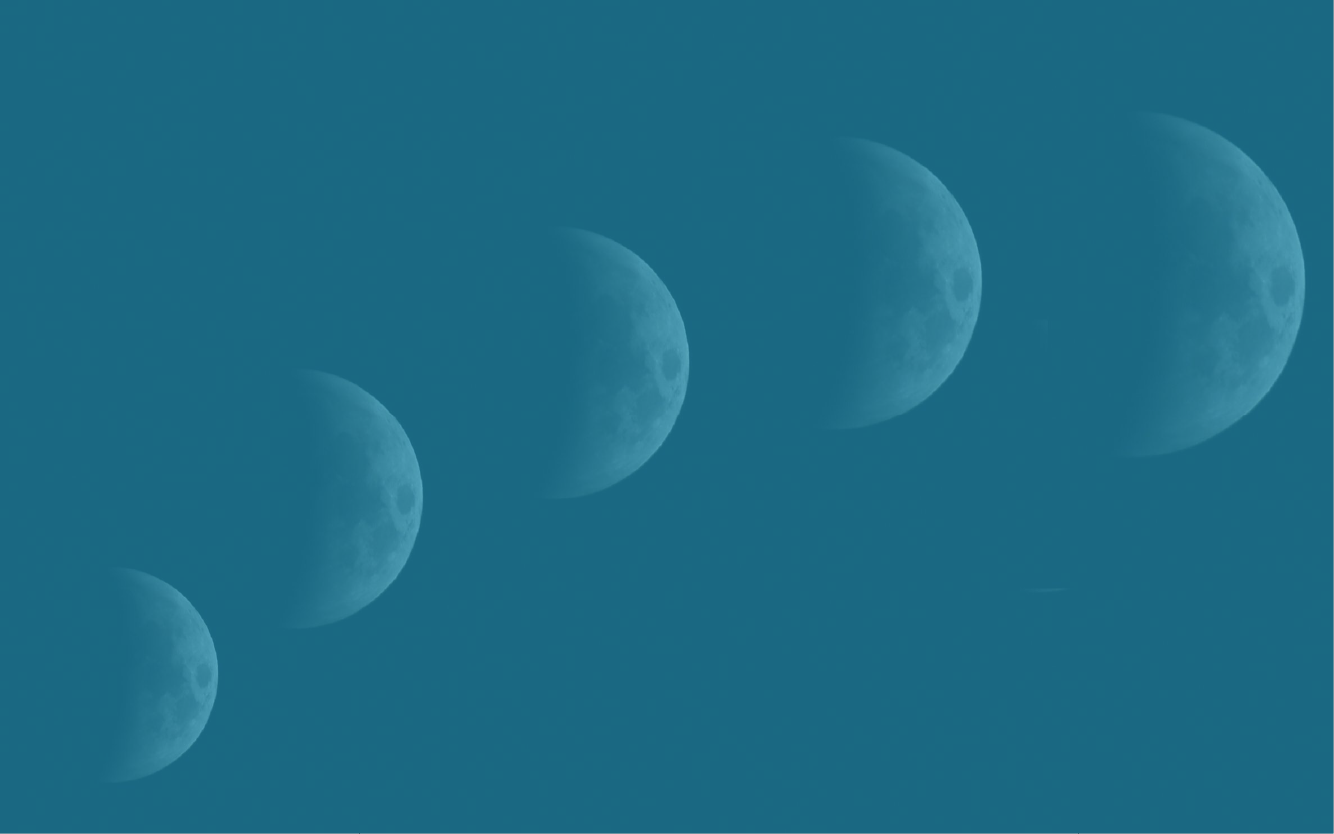
Cliff’s Notes Version:
Full Moon: February 1 (22:09 UTC). “Snow Moon” - Great time to harvest
Last Quarter: February 9 (12:43 UTC). - Soil prep & plant root crops
New Moon: February 17 (12:01 UTC). Also Lunar New Year! - Sow seeds & planting time
First Quarter: February 24 (12:28 UTC). - Planting time, fertilize
More Detailed Version:
February 2026 brings the monthly cycle of the Moon that gardeners have watched for centuries. The full moon is the brightest phase, when the Moon is opposite the Sun and its gravity and light are at noticeable peaks. For gardeners, the full moon is often a time for harvesting and for tasks that benefit from increased sap flow in plants — think collecting herbs for maximum essential oils or harvesting leafy greens. Because plants are more active above ground, heavy digging or major transplanting is usually avoided right at the full moon to reduce stress.
The new moon marks the start of the lunar cycle and is the dark phase when the Moon and Sun are aligned. This phase—and the days just after when the Moon is waxing—are traditionally recommended for sowing seeds and transplanting crops that produce above ground (like lettuce, tomatoes, beans and most flowers). The idea is that the increasing moonlight and upward movement of plant juices encourage strong leaf and shoot growth, which helps young plants establish quickly.
The first quarter (half-lit, waxing) sits between new and full and is seen as a growth-boosting window. It’s a good time to plant fast-growing above-ground crops, fertilize, and do activities that encourage vigorous top growth. Because energy is moving upward, tasks that stimulate leaves, stems and fruits tend to do well in this phase. Beginners should be cautious with heavy pruning during this time, since it can encourage a surge of new shoots that need careful management.
The last quarter (half-lit, waning) comes after the full moon and is a period of slowing growth. Sap flow is thought to be moving downward, making it a good time for root work: planting root crops (carrots, beets, potatoes), dividing perennials, composting, and soil preparation. It’s also a favorable window for pruning and pest-control measures because plants are less actively pushing new growth and wounds may heal more slowly but are less likely to produce vigorous new shoots.
Lunar gardening is one tool among many—local climate, soil, and plant needs should guide most decisions, with moon-phase timing used to fine-tune schedules. Other factors that will make your life much easier are considering rain, Santa Anas, high winds, cloudy days, etc. Pulling weeds after a rain is a lot easier than pulling weeds out of rock solid, clay soil, as is planting. Planting new plants in your garden just before a Santa Ana could stress your new plants, so start looking at your weather patterns and plan accordingly.
Resources:
Google - not sure if it’s a good day to sow your Spring seeds? A quick Google search is surprisingly helpful
The Old Farmer’s Almanac - This is one of the best resources on the planet! The “Best Days” tool has information on specific crops and when the best time to plant based on your zip code is. Here is the result for the 92028 zip: https://www.almanac.com/gardening/planting-calendar/zipcode/92028
